
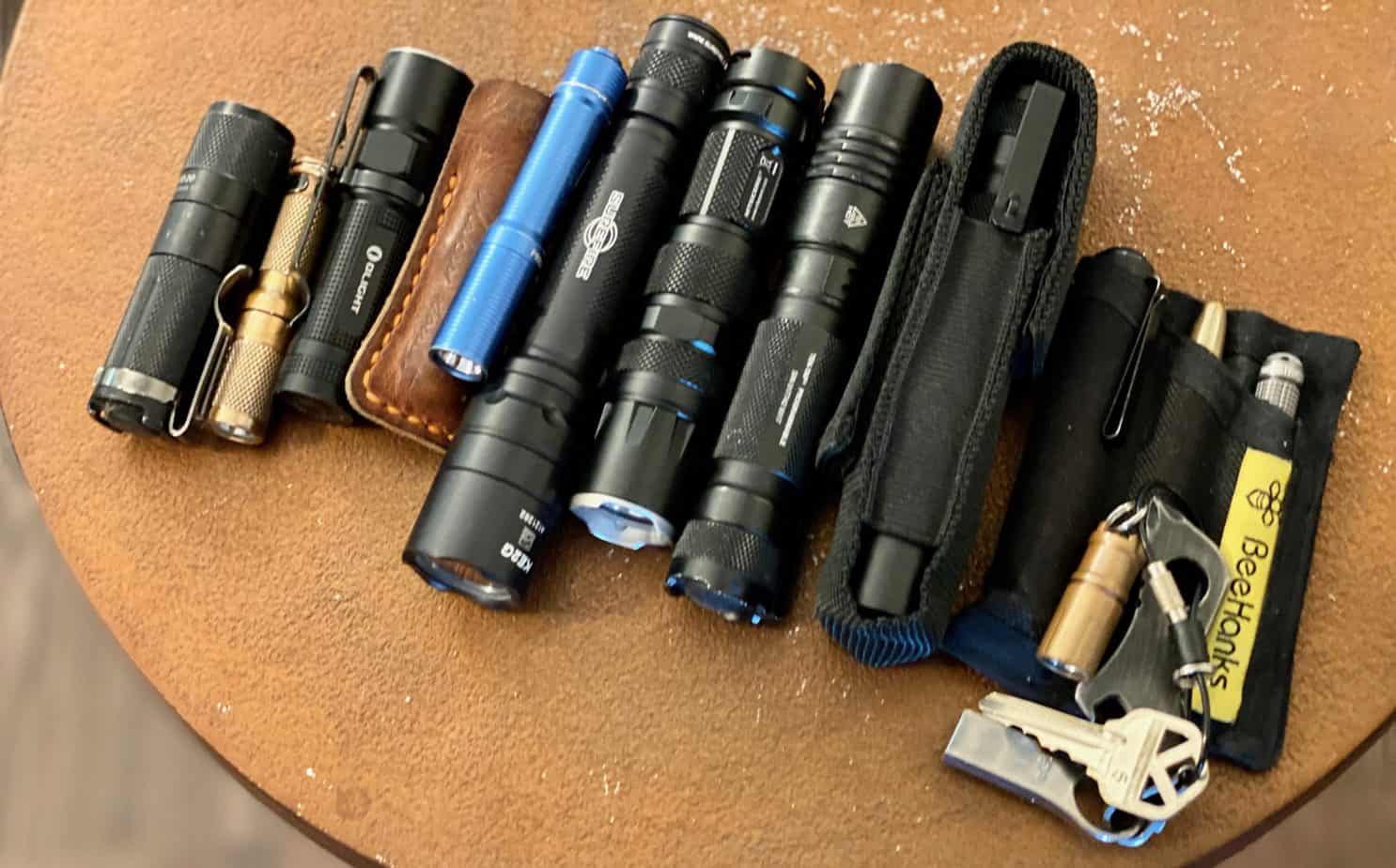
I carry a flashlight almost everywhere I go because I never know when I’ll need it. A quick walk at night, a power outage, or checking something under the car…each moment is easier with a compact, bright light in my pocket. An everyday carry (EDC) flashlight gives you reliable light when and where you need it most.
You don’t need the biggest or most powerful light on the market. The best EDC flashlights balance brightness, battery life, and size so you can keep them close without adding unnecessary bulk. From slim keychain models to tough tactical designs, there’s a style for every routine and budget.
As you go through this guide, you’ll see what makes an EDC flashlight essential, which types fit different needs, and what features matter most for daily use. By the end, you’ll have a clear idea of which model deserves a place in your pocket or bag.
What Makes an EDC Flashlight Essential?
An everyday carry flashlight helps me stay prepared for both daily needs and unexpected situations. It gives me reliable light when I need to find something, stay safe in dark areas, or handle small tasks more easily. Carrying one provides peace of mind and a sense of readiness no matter where I am.
Benefits of Carrying a Flashlight Daily
I carry an EDC flashlight because it adds convenience and reliability to my routine. When I drop something under my car seat or need to unlock the door at night, a small beam of light makes a big difference. I don’t have to rely on my phone’s flashlight, which drains the battery faster and offers less brightness.
Many modern everyday carry flashlights use LED tech, giving long runtimes and strong light output. They fit on a keychain, in a pocket, or attach to a belt clip. The best part is their durable design. Most are water- and impact-resistant, so I don’t worry about rain or drops.
Quick benefits summary:
| Feature | Why It Matters |
|---|---|
| Compact size | Easy to carry anywhere |
| Long battery life | Ready when needed |
| Brightness levels | Adjust for tasks or emergencies |
| Durability | Stands up to everyday use |
Key EDC Moments and Use Cases
My EDC light becomes useful in more situations than I first expected. I use it to check cables behind my desk, find something in a bag at night, or signal my location during a walk. When camping or working in dim areas, a focused beam helps me stay efficient without fumbling.
It also comes in handy for vehicle checks. I’ve used it to inspect a tire in poor lighting and to read maps (yes…paper) when parked in the dark. Multiple modes, like low, medium, and high, let me control brightness so I don’t blind myself or waste battery power.
Even in well-lit cities, I find at least one reason every day to turn it on. It’s become a small tool that solves many small problems.
Safety and Emergency Applications
Carrying an everyday carry flashlight offers a bit of comfort in emergencies. If the power goes out or I walk through a poorly lit area, I know I can light the way. A bright and reliable beam can also draw attention if I ever need help.
Some EDC flashlights feature strobe or SOS modes for signaling during trouble. That can be a lifesaver during roadside breakdowns or nighttime hiking. Compact models with rechargeable batteries mean I can keep one ready in my pocket or glove box.
Even simple actions like checking a dark stairwell or avoiding tripping hazards matter. Having light within reach gives me confidence to handle the unexpected.
Types of EDC Flashlights
When I pick an everyday carry flashlight, I think about how size, brightness, and convenience fit into daily use. Some models focus on performance, others on portability, and a few are small enough to hang from a keychain yet still pack useful light output.
Standard EDC Flashlights
A standard EDC flashlight usually fits in the palm of my hand and offers a strong balance of brightness, runtime, and durability. These lights often provide multiple power modes (low, medium, high, and strobe) so I can adjust the output for different tasks.
Most use rechargeable lithium-ion batteries with USB-C charging ports, which makes daily upkeep easy. I like that many also let me replace the battery if needed…handy on long trips. The bodies are often aluminum with ratings like IPX7 or IP68, meaning they resist water and dust.
Compact EDC Flashlights
A compact EDC flashlight gives me similar performance to a standard light but in a slimmer body that slips easily into pockets. They usually weigh under 3 ounces and measure around 4 inches long. Models like the Streamlight Wedge show how efficient compact EDC lights have become…offering up to 500 lumens in a small, rechargeable form.
I prefer these when I want a light that’s always with me but not bulky. The controls are simple, often a single tail switch or side button. Some come with reversible clips that let me attach the light to a hat brim or backpack strap.
Compact lights sacrifice some brightness and battery life, but they shine in convenience. When space is tight, one of these becomes my go-to option.
Keychain Flashlights
For ultimate portability, I sometimes carry a keychain flashlight on my key ring or bag zipper pull. They weigh less than an ounce and are no longer limited to weak light output. Many small models now reach 150 to 500 lumens, enough for most quick tasks.
Most use micro-USB or USB-C charging and built-in lithium polymer batteries. I like that I can recharge them from a power bank car adapter. Despite their size, newer versions often include features like lockout modes to prevent accidental activation.
I turn to a compact keychain flashlight when I need dependable light for daily errands, quick walks at night, or finding dropped keys. It’s the kind of light I forget I’m carrying until I need it…and that’s exactly what makes it practical.
Important Features to Consider
When I choose a flashlight for everyday carry, I focus on brightness, battery life, size, and build quality. The right balance between these factors determines how practical and reliable the light feels in daily use. Even small differences in design or performance can change how useful it is when I need it most.
Brightness and Lumens
Brightness matters because it decides how well I can see and how safe I feel in the dark. I measure brightness in lumens, which show total light output. A small keychain light might only produce 50 lumens, while a high-lumen flashlight can output 1,000 lumens or more. I’ve found that 300–500 lumens works best for most everyday tasks like walking at night or looking under furniture.
I like having multiple brightness modes. A low mode saves power for reading or map checks, while a high mode provides strong daylight-like illumination when I need it. Some models include a strobe setting for signaling or self-defense, which I find helpful in emergencies.
Battery Life and Rechargeability
Battery life affects how long I can rely on my flashlight without charging or swapping cells. I often compare rechargeable flashlights to those that use disposable batteries. Rechargeable models with USB-C ports are popular now because I can charge them with the same cable as my phone. It’s convenient and reduces waste.
Still, disposable-battery flashlights have their place. I can quickly replace a CR123A or AA battery in seconds, which comes in handy when I’m away from power. I usually look for lights that allow both options for flexibility.
To make sure I get the most out of each charge, I check the runtime chart. A good light runs for several hours on low mode and at least an hour on high. Some flashlights even have a small LED indicator that shows charge level, which helps me plan ahead.
Size and Portability
I prefer a flashlight that fits comfortably in my pocket or clips onto my gear without being bulky. Most EDC flashlights range from 4 to 6 inches long and weigh between 2 and 6 ounces. Anything heavier tends to stay at home rather than in my pocket.
A slim, flat design slides easily next to my phone or wallet. I also look for a reversible pocket clip, which lets me attach it to my hat brim or belt. That little feature makes hands-free use much easier when I need it.
Carrying comfort means everything. If a flashlight feels awkward, I’m less likely to keep it on me…and that defeats the whole point of everyday carry.
Durability and Build Quality
A good flashlight should handle drops, rain, and daily wear. I always check for an IPX7 or IP68 waterproof rating, meaning it can survive splashes or full submersion for short periods. This kind of protection gives me peace of mind when I use my light outdoors or near water.
I usually choose models with aircraft-grade aluminum housings. They resist dents and scratches while keeping weight low. Some lights add knurled grips or rubber coatings for better handling, especially when my hands are wet.
Durability also includes well-sealed buttons, sturdy clips, and reliable switches. I want the flashlight to function the same way after months of use. Quality materials and construction prevent flickering and help maintain consistent performance every time I press the power button.
Choosing the Right EDC Flashlight for Your Needs
I look for everyday carry gear that’s small, strong, and useful, and flashlights are no exception. The right EDC flashlight should give me dependable brightness, easy handling, and solid value…without taking up too much pocket space or draining my wallet.
Balancing Power and Portability
I’ve learned that higher lumens don’t always mean better performance. A 300-500 lumen light is usually enough for daily carry, offering good brightness without overwhelming battery life or size. Models like the Streamlight Wedge XT stay compact but still provide solid visibility for close work and nighttime use.
Weight and length matter, too. Anything over six ounces or five inches starts to feel bulky in my pocket. Aluminium housings offer good strength for the weight, and flat-bodied or penlight designs slide in easily next to my keys or knife.
If I need more reach or runtime, I might step up to a mid-size light like the Fenix PD36R Pro, which trades a little pocket comfort for extra range and long battery life. Finding the right balance depends on how much I’m willing to carry versus how much light I actually need day to day.
| Light Type | Typical Lumens | Best Use |
|---|---|---|
| Keychain | 50–200 | Quick tasks, emergencies |
| Compact | 300–800 | Everyday carry, walking at night |
| Tactical / Work | 1,000+ | Outdoor, security, or heavy use |
Final Thoughts
An everyday carry flashlight isn’t about having gear for the sake of it. It’s about having a tool you’ll actually use. The right light makes small tasks easier, dark areas safer, and unexpected moments less stressful.
When you choose a model that fits your routine…whether it’s a slim keychain light or a compact rechargeable…you end up with something you rely on without thinking about it. That’s the whole point of EDC: simple tools that quietly make life easier.