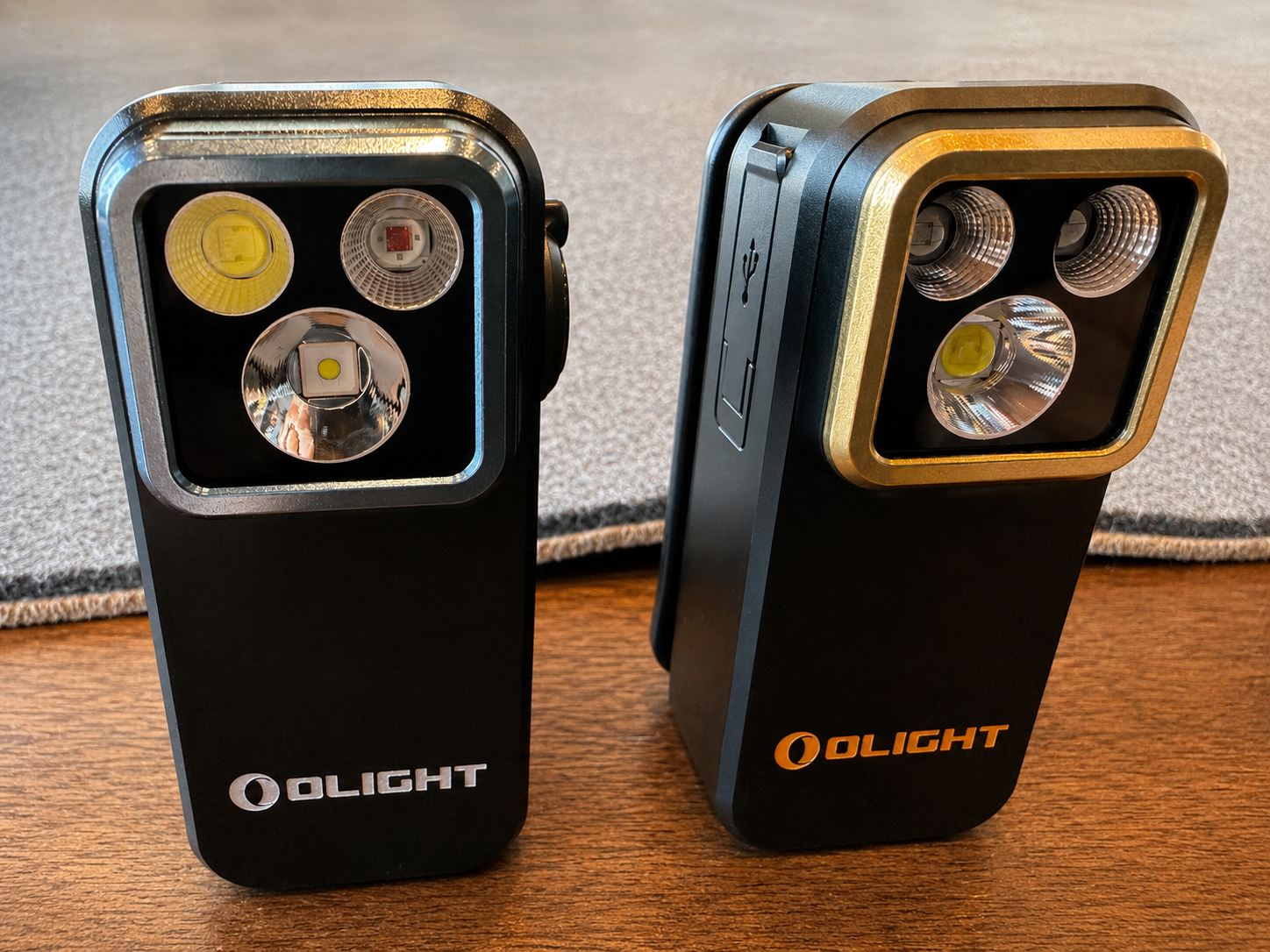
Olight sent me the Oclip Pro and Oclip Pro S at no cost. They didn’t see this before it went up, and nobody paid for the opinions below. Links are affiliate links.
Most flashlight reviews start with lumens. I’m going to start with a category most people don’t think about: the admin light.
Your “real” flashlight, the handheld you’d grab when something goes bump, gets used maybe once a month.
The admin light gets used fifty times before that.
Checking under a truck seat. Reading a breaker panel. Finding something in a dark garage without waking the house.
It’s the light that does the boring work, and because it does the boring work, it’s the one that actually needs to be on you.
That’s the job both of these lights are built for.
Neither is a tactical light, and neither pretends to be.
They’re rechargeable clip-on lights about the size of a Zippo, and after using both, here’s the honest breakdown.
The Short Version
The Oclip Pro is the simple one: white floodlight, a spotlight, and a red light. The Oclip Pro S trades the dedicated spotlight for a multi-tool approach: white light, true 365nm UV, and separate red, green, and blue emitters.
Same basic body, same clip, same magnet, same USB-C charging, same sealed 580mAh battery, both around two ounces.
Both are worth buying.
That’s the honest starting point…either one is the “loser” here.
They’re the same size and weight, and the difference is capability and price: the Pro keeps it simple for a little less money, and the Pro S adds UV and color modes for a few dollars more.
Which one fits you depends on whether those extras solve a problem you actually have. I’ll walk through both and tell you where I landed.
What They Share
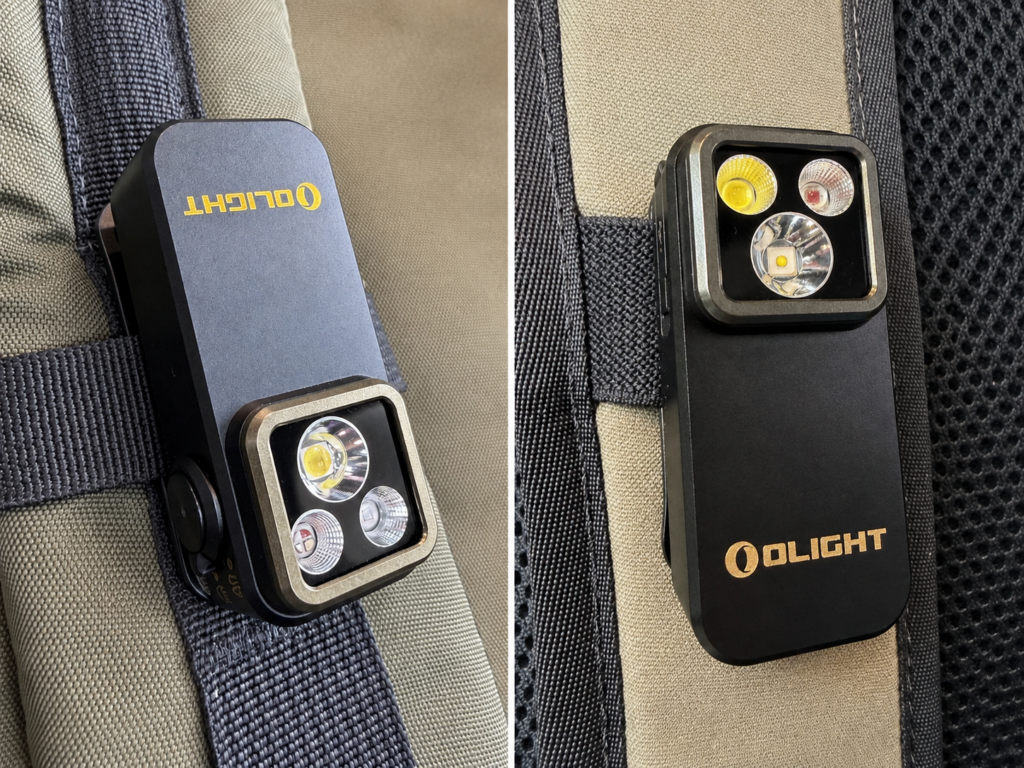
Both lights use the same carry system, and it’s the best part of the design. A spring clip on the back grabs a pocket, pack strap, or hat brim.
Clip it brim-down on a ball cap, and you’ve got a headlamp without the strap.
There’s a magnet in the clip strong enough to stick the light to a car hood or fuse box, and a lanyard hole for everything else.
Both charge over USB-C, the same cable as your phone. Olight says to stick with a standard 5V adapter, not a high-wattage fast charger. A full charge takes about an hour and a half. Both are IPX6 water resistant, which means rain and splash are fine and submersion is not.
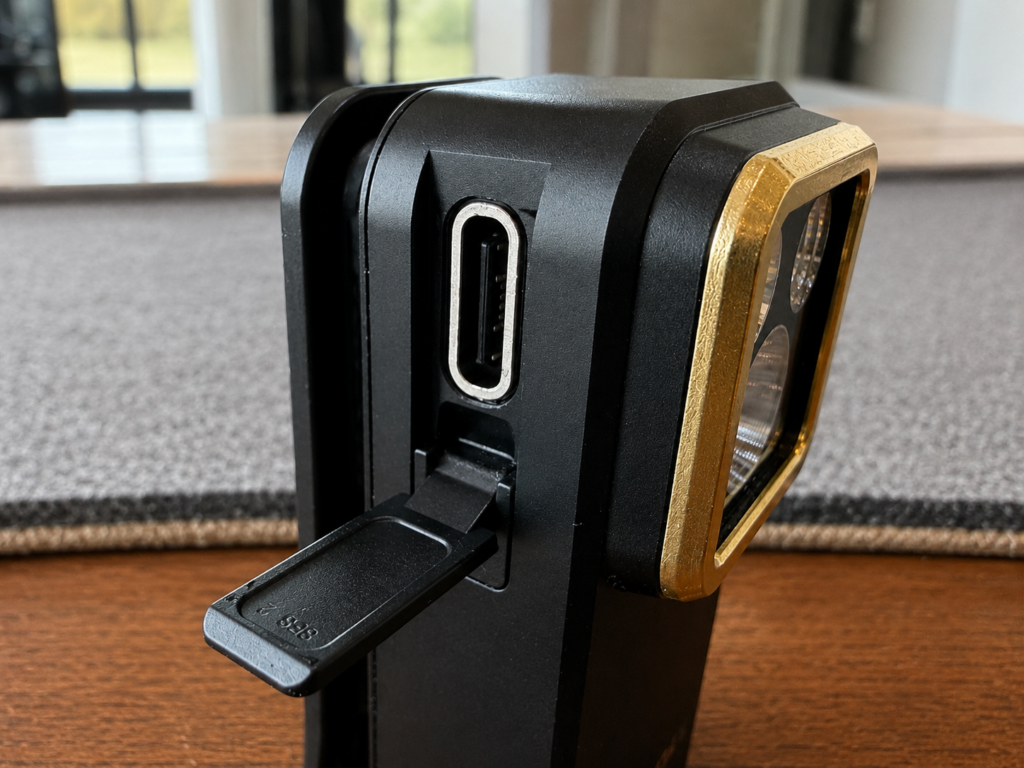
Both use a rotary selector to pick the mode and a button to run it. It takes one session to learn, and then it’s fast.
One quirk on the Pro: out of the box it starts in moonlight mode, which confuses people who think they got a dud. Hold the button about two seconds after unlocking it, and the rest of the modes open up.
Oclip Pro: The Simple One
Three beams, each with a clear job.
| Mode | Output | What it’s for |
|---|---|---|
| Floodlight | Up to 500 lumens | Engine bays, work surfaces, tent interiors |
| Spotlight | ~120 meter reach | Checking a treeline, yard checks, trail spotting |
| Red | 40 lumens | Night vision, map reading, moving around camp |
The flood is where you’ll live. It spreads light across a work area instead of punching a hot spot into one corner.
The spotlight is the feature the Pro S doesn’t have…an actual dedicated throw beam. It won’t replace a full-size handheld, but 120 meters of reach from something this small is more than you’d expect.
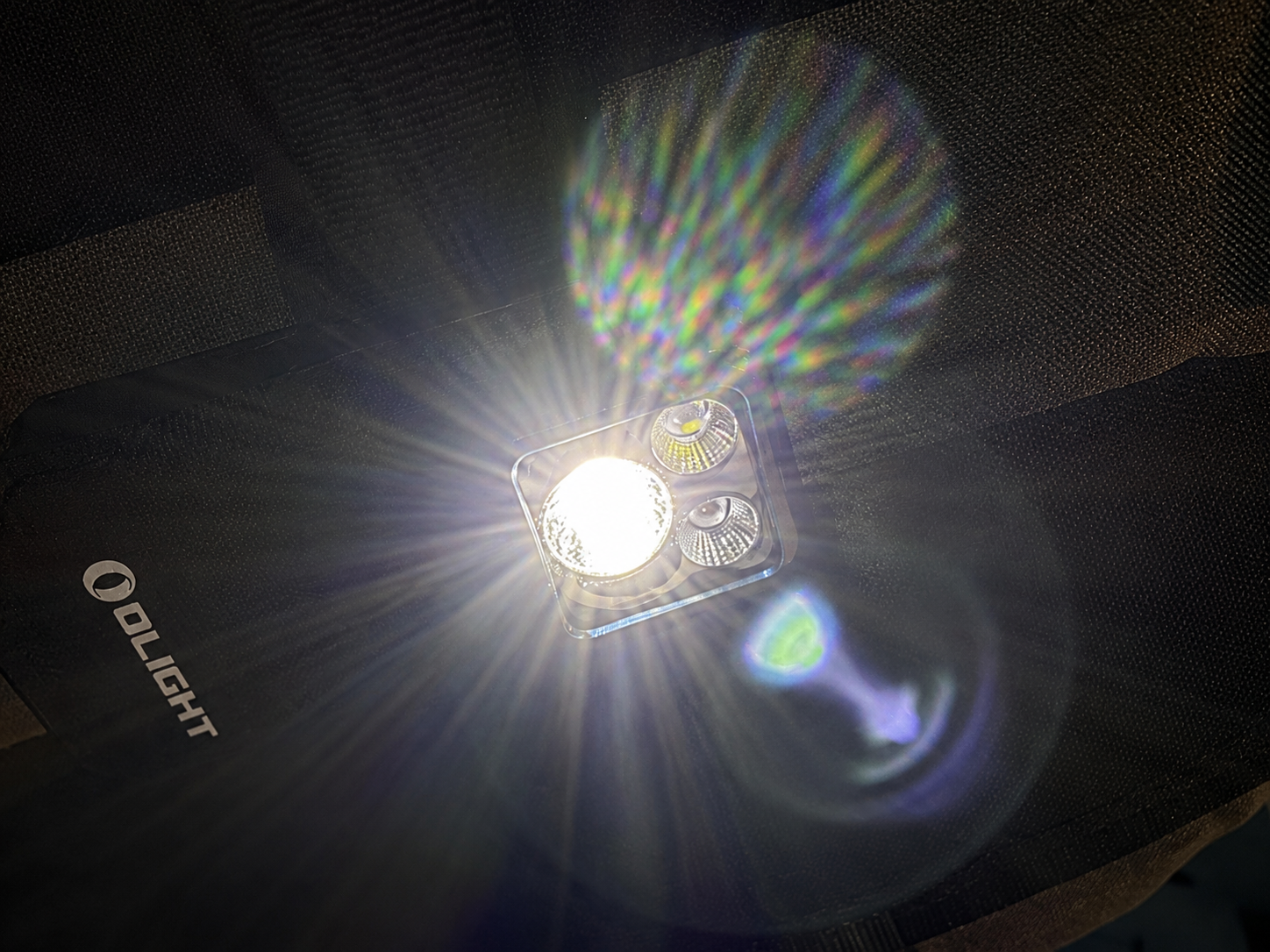
The red mode is better executed than it needs to be. If you spend any time outside at night, walking dogs, checking on animals, working around a camp, a red light that doesn’t wreck your dark-adapted vision matters more than another hundred white lumens.
The pattern in owner feedback is consistent: people are surprised it’s this small and this bright at the same time, and they go long stretches between charges. Patrol officers and repair techs show up repeatedly in the reviews, which tells you who this light actually serves.
Oclip Pro S: The Multi-Tool
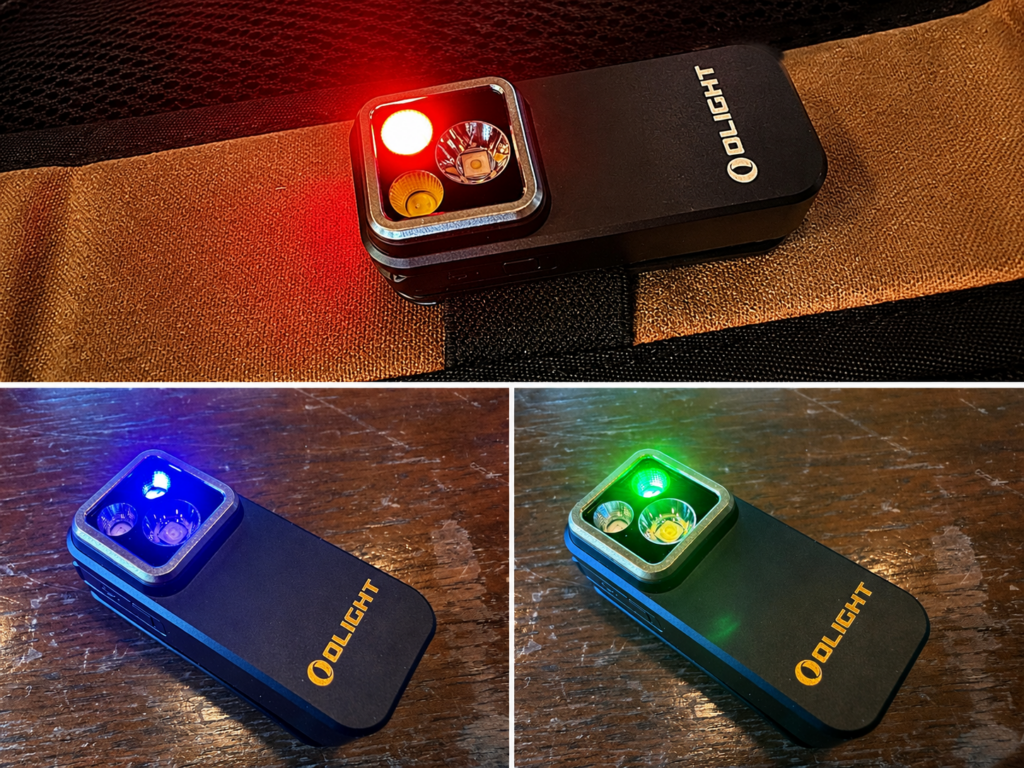
The Pro S drops the dedicated spotlight and replaces it with a five-source system: white (up to 600 lumens), true 365nm UV, and independent red, green, and blue LEDs.
The white beam is a single blended output…a defined hot spot with wide spill. It reads a label at arm’s length and still reaches across a parking lot (Olight rates it at 80 meters). Turbo holds 600 lumens for about a minute before stepping down to 300, which it sustains for around 50 minutes. That stepdown is physics, not a flaw…there’s not enough metal here to shed the heat.
The UV is the feature that separates this from every other pocket light. This is true 365nm, not the cheap 395nm violet that washes everything out. Real uses:
- Checking currency, IDs, and tickets
- Finding UV dye leaks in automotive AC and coolant systems
- Inspecting hotel rooms and rentals
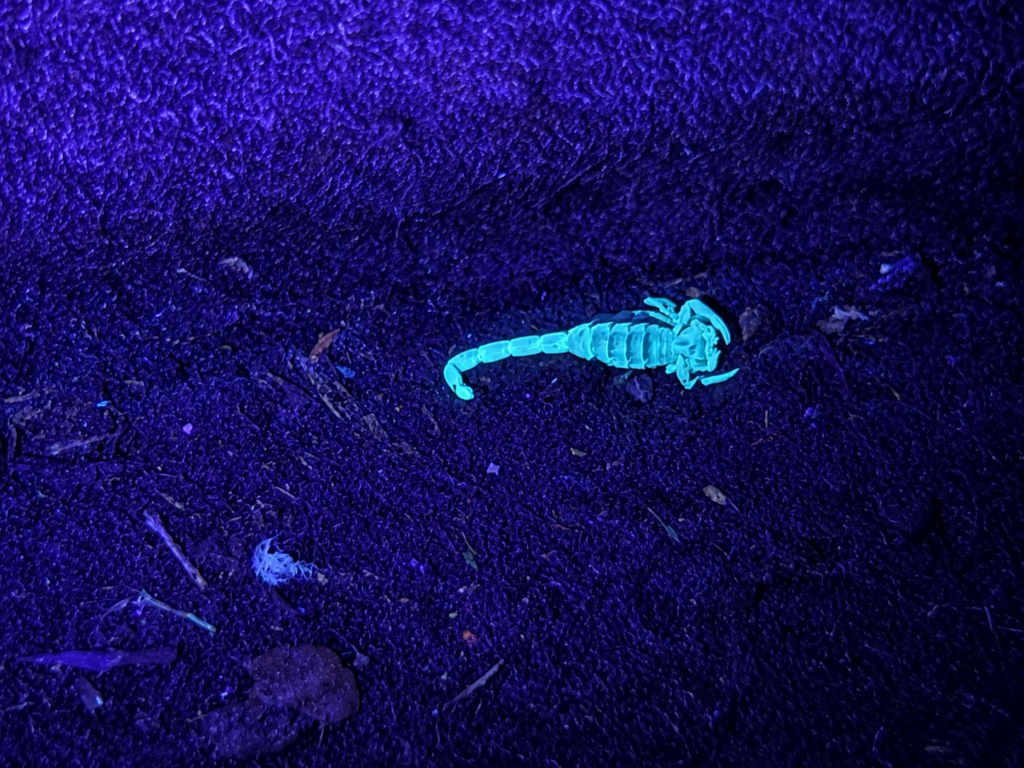
- Spotting scorpions. This one I use. Scorpions fluoresce under 365nm…they light up bright green against the dark…and on rural Texas property, sweeping the ground or a wall with UV before you reach for something is a habit worth having.
The RGB modes sound like a gimmick until you use them. Red preserves night vision, same as the Pro. Green and blue mark gear, tag a bag in a pile, or flag a position.
And here’s the use case nobody at Olight planned for: my son claimed the Pro S almost immediately for stop motion animation.
The independent color channels give him controlled colored lighting for scenes without buying “studio” gear.
That’s the thing about a light with this many modes…it finds jobs you didn’t buy it for.
Moonlight mode runs a claimed 144 hours at 1 lumen, which makes this a legitimate emergency-kit light.
Charge it, toss it in the kit, and it’ll produce usable light for days.
The Honest Trade-Offs
Neither light is perfect, and the complaints in owner reviews line up with what I’d flag:
- The battery is sealed. No swapping cells. When it degrades, the light degrades with it. For a light at this price that will likely outlast its market cycle, I don’t consider it a dealbreaker — but know it going in.
- The magnet is adequate, not strong. It holds fine on flat, clean steel. On a vibrating surface or at a bad angle, don’t trust it.
- Turbo is a burst, not a setting. Both lights step down from peak output quickly. The sustained levels do the real work.
- No submersion. Rain yes, creek no.
- The interface takes a session to learn, especially on the Pro S with its extra modes.
The Verdict
Both of these lights earn their spot. If someone handed me either one, I’d carry it without complaint. The question isn’t good versus bad…it’s what you’re paying for.
The Oclip Pro is the simpler, cheaper option, and there’s nothing wrong with simple. Flood for work, a dedicated spotlight for distance, red for night.
That spotlight matters: it’s the one thing the Pro has that the Pro S doesn’t.
If you want a throw beam for checking a treeline or the far side of a pasture, or you just want fewer modes to think about, the Pro does the job for less money.
The Oclip Pro S costs a few dollars more, and for that you get the same size and weight with more capability: brighter white output (600 vs. 500 lumens), true 365nm UV, and independent red, green, and blue channels.
There’s no bulk penalty and no carry penalty…just more light sources in the same footprint.
For me, the Pro S is the one that stays clipped on.
The UV pays for itself the first time it lights up a scorpion before my hand gets there, and the color modes keep finding jobs I didn’t plan for.
But if the extras don’t map to anything in your life, save the money and get the Pro.
Either way, you end up with an admin light that earns daily carry…which is more than most lights twice the price can claim.